
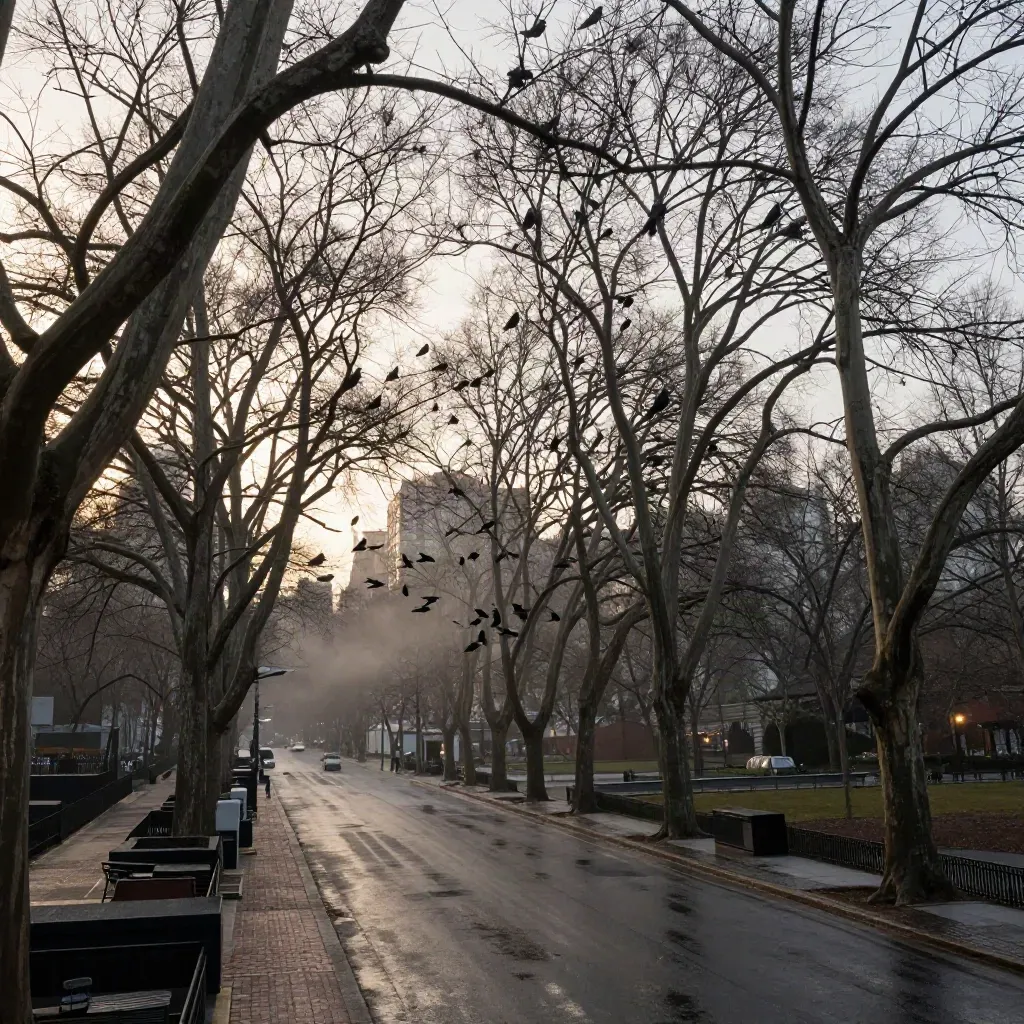
Roost guide
Night Roost Maps
Where crows settle in towns, farms, and park trees
NIGHT ROOST NOTES
Clear notes on where crows roost, how flocks change by season, and what to do when birds gather near homes or parks.
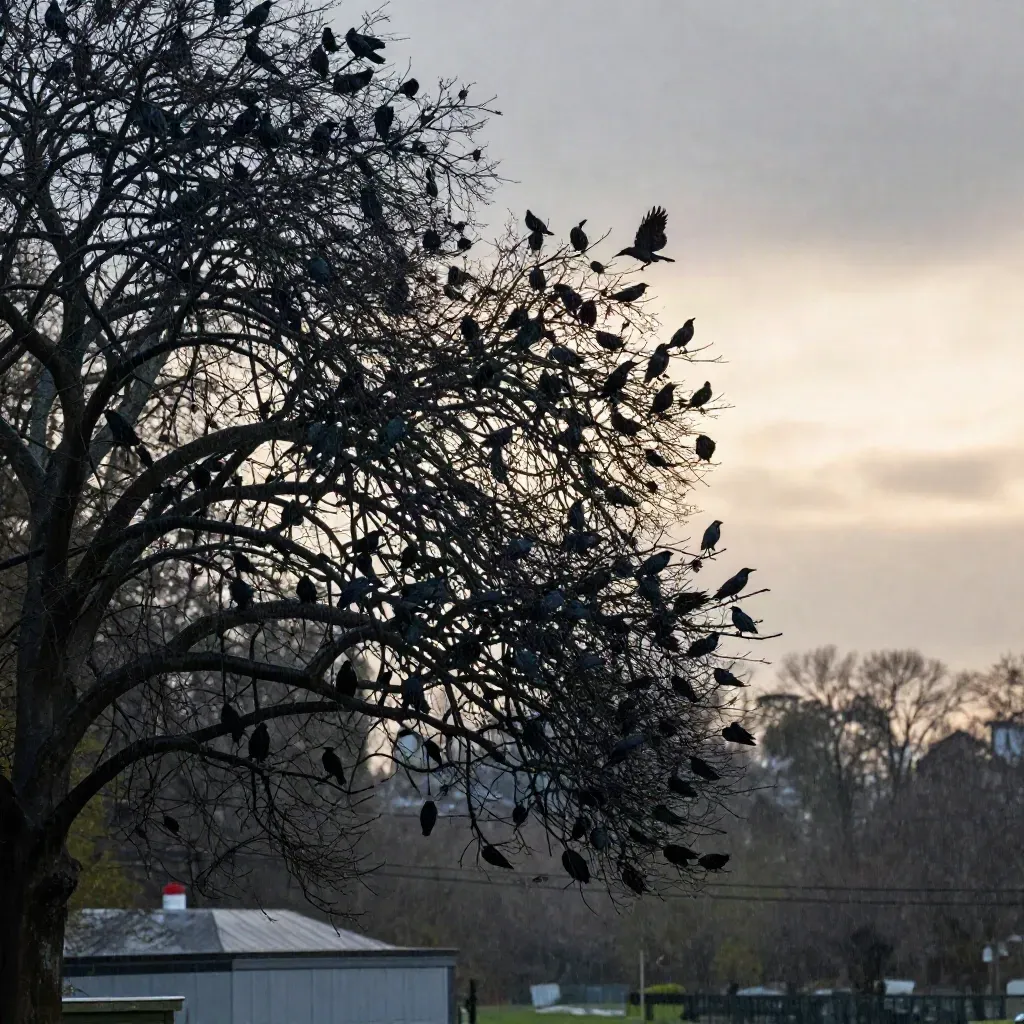
FROM THE JOURNAL
Where crows settle in towns, farms, and park trees
Roost guide
Where crows settle in towns, farms, and park trees
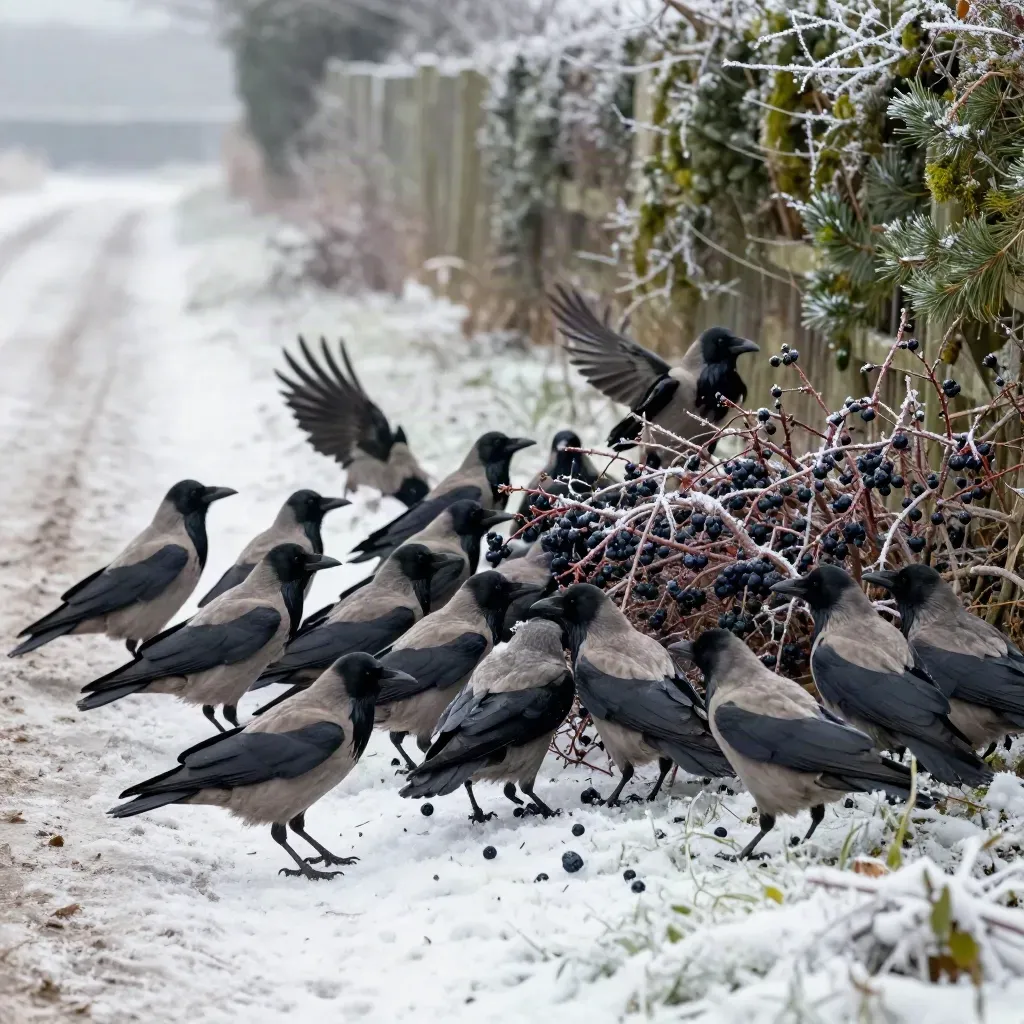
Season watch
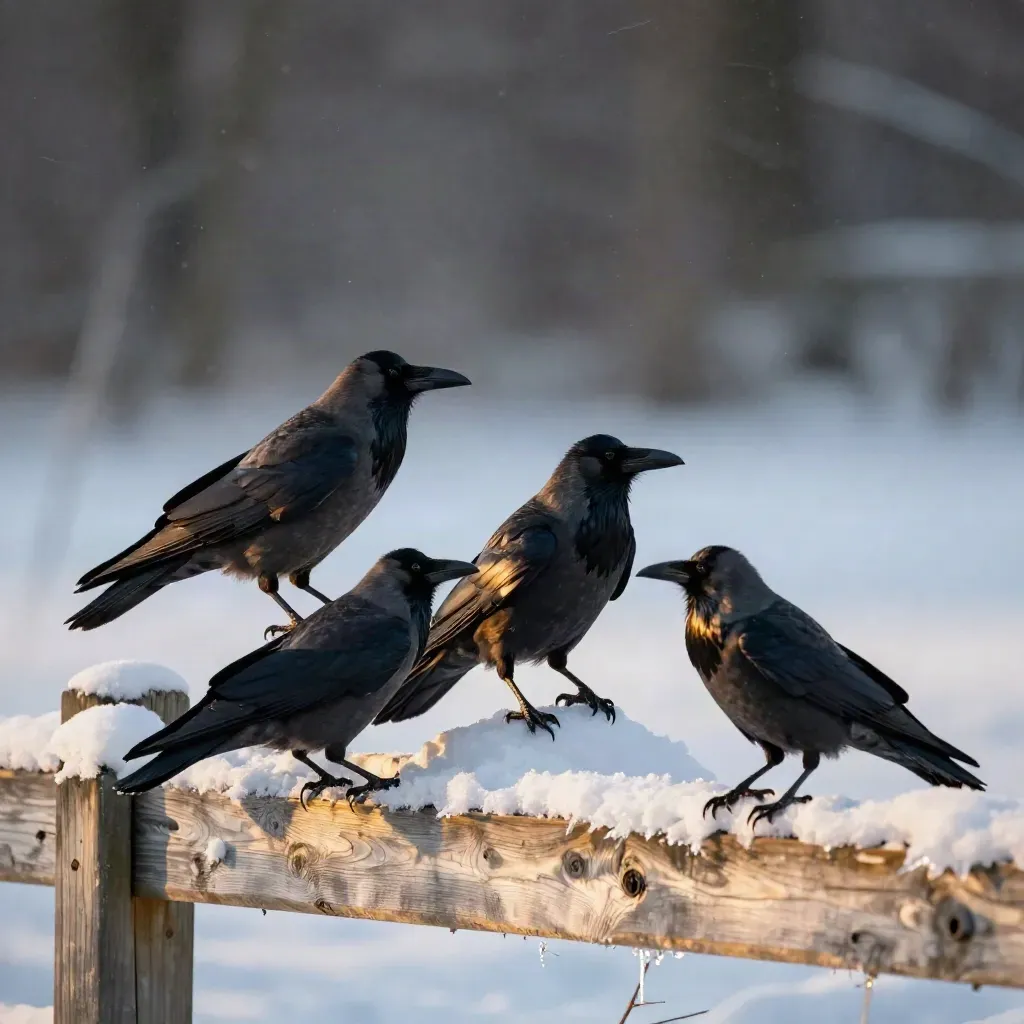
ID guide
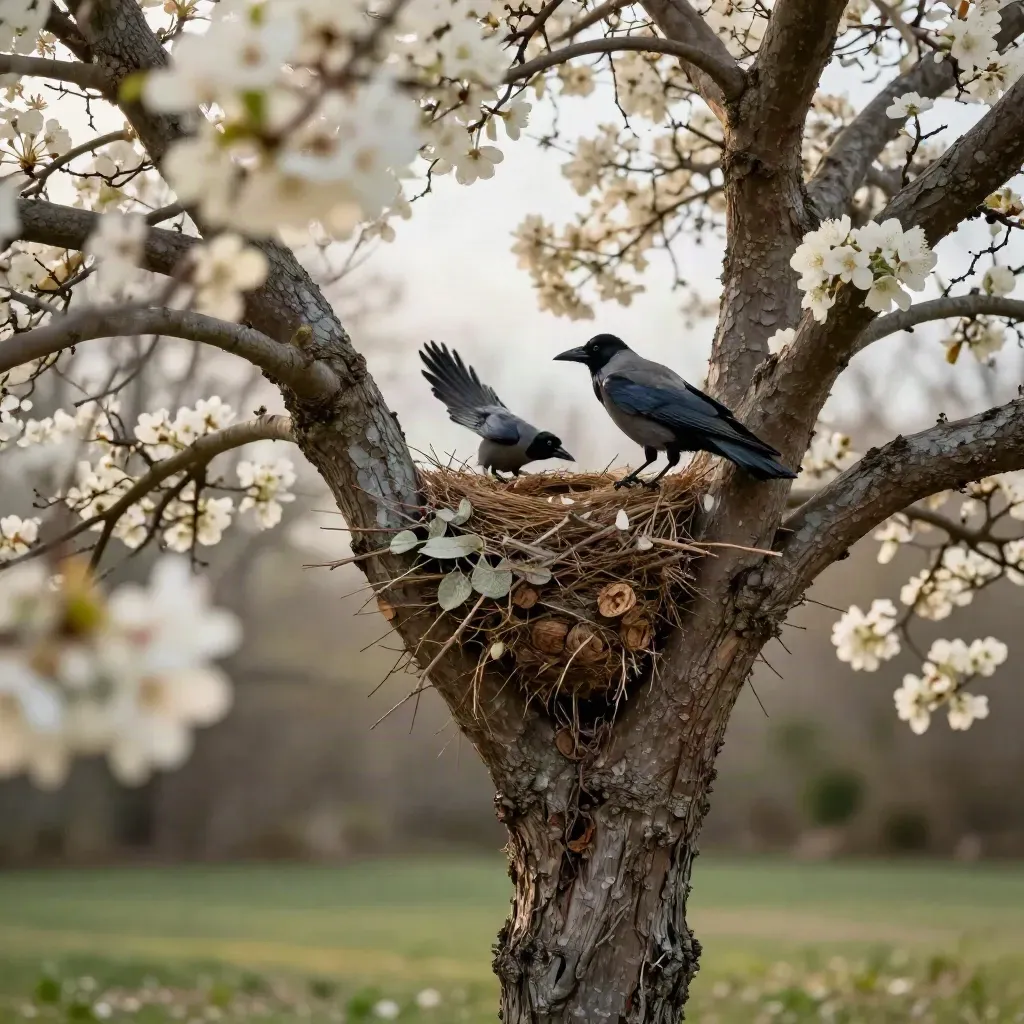
Find nests, calls, and flight paths near trees
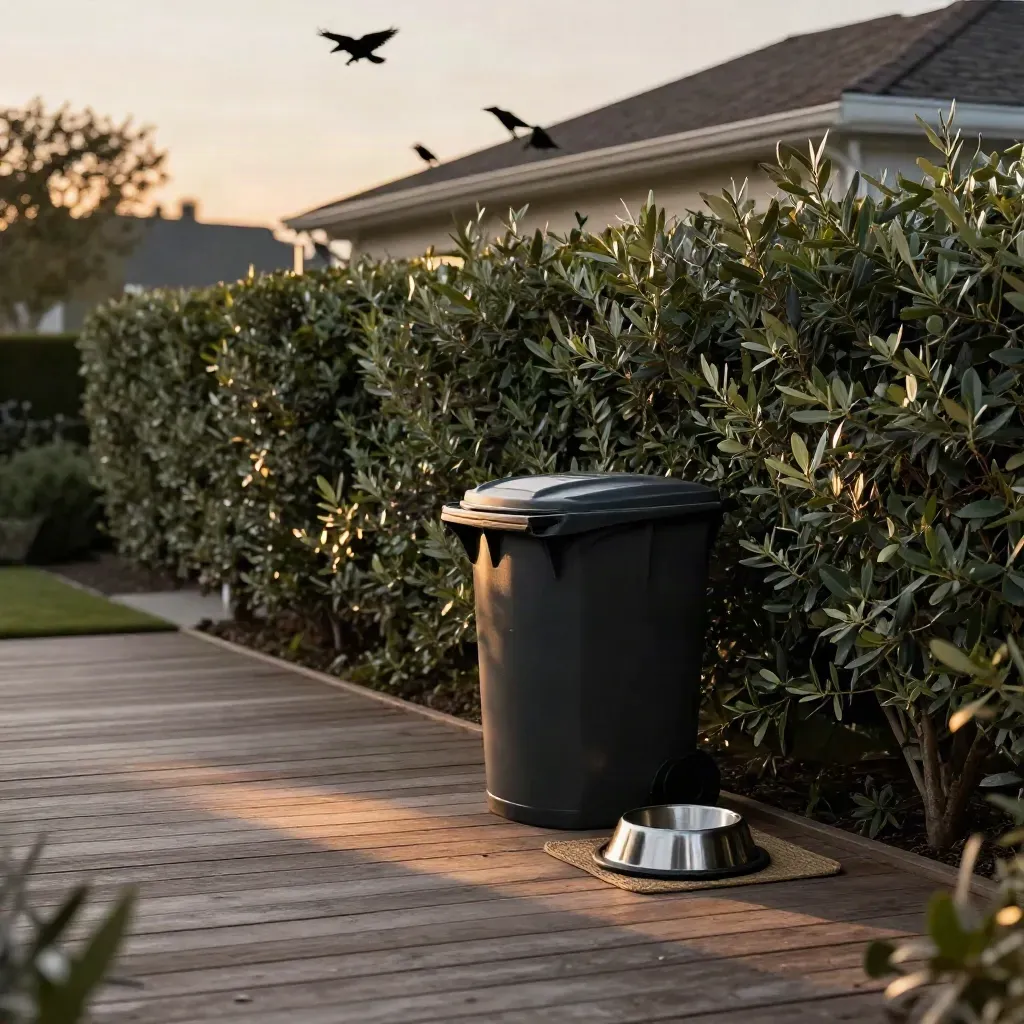
Simple steps for homes near a regular roost

Easy notes for birders and land managers
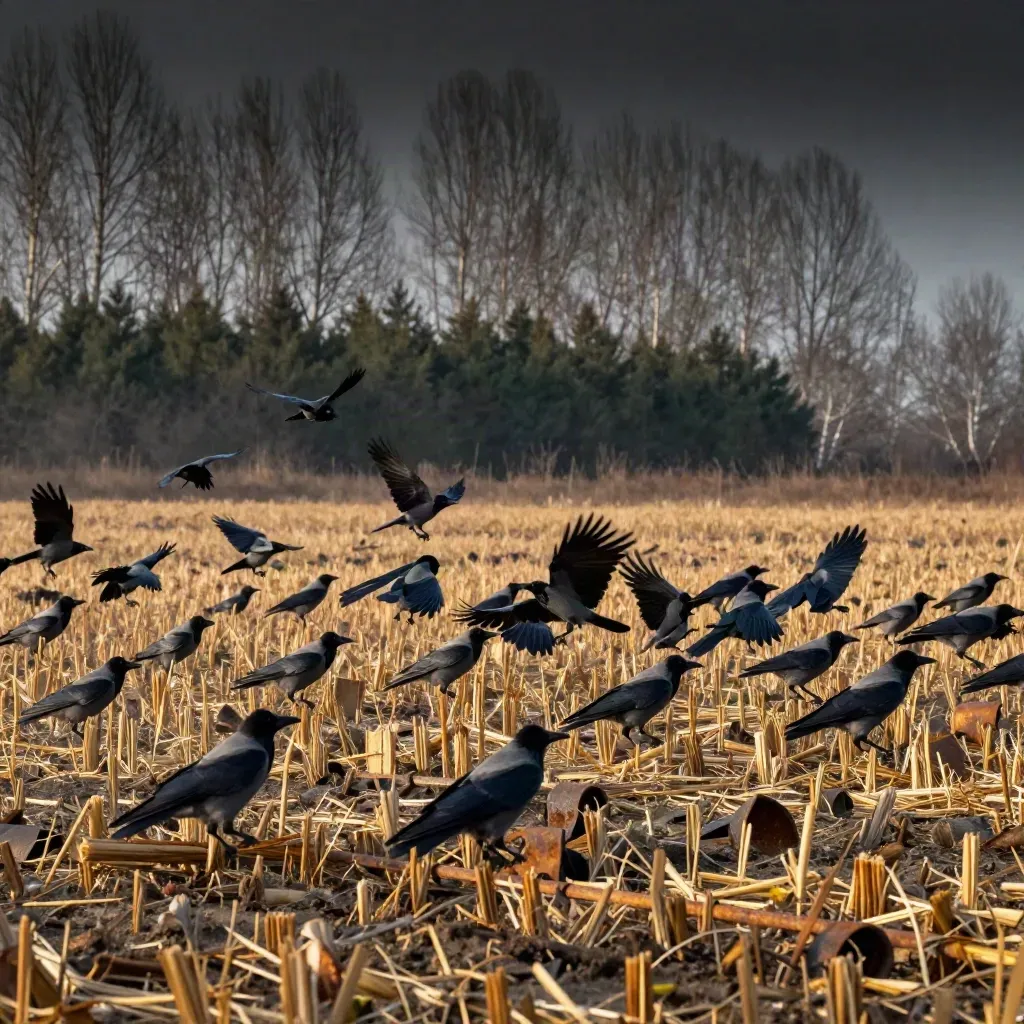
New
New
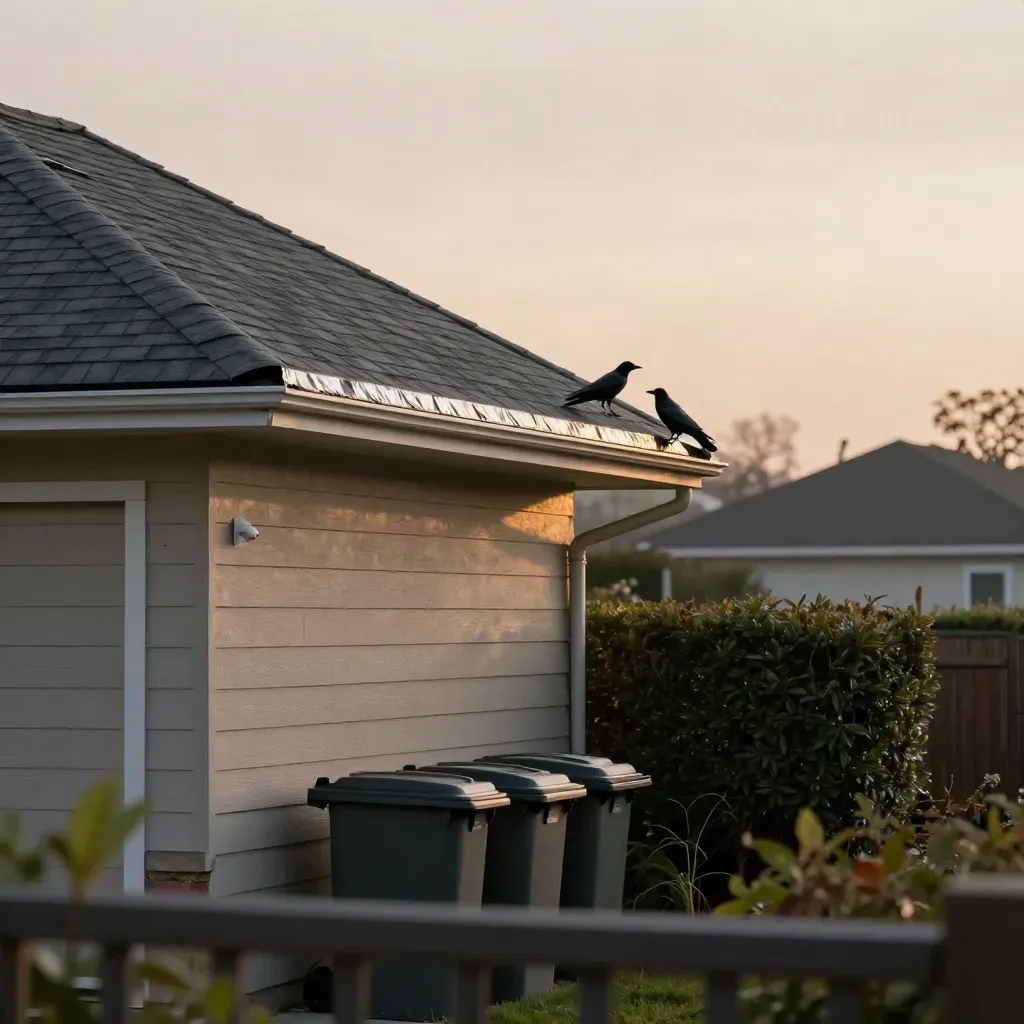
Field note
Field note
TOPIC CHOICES
Maps, tree cover, and the clues that point to a night roost.

GUIDE
Maps, tree cover, and the clues that point to a night roost.

TIPS
Fast ways to tell crows from ravens, grackles, and jackdaws.

TRENDS
How flock size, noise, and flight time change through the year.

GUIDE
Safe ways to make yards less inviting without harming birds.
roost notes and field guides
roost notes and field guides
tracked for flock change
tracked for flock change
to read a starter guide
to read a starter guide
Community
“The roost map saved me hours of guesswork during fall counts.”
Mara Ellison
Field birder, North Shore Watch
“Plain notes on nesting made our park checks much faster.”
Jonah Pike
Wildlife manager, City Parks
“I used the yard tips and cut dusk noise without harsh steps.”
Tessa Cole
Homeowner, Maple Street
FIELD NOTES
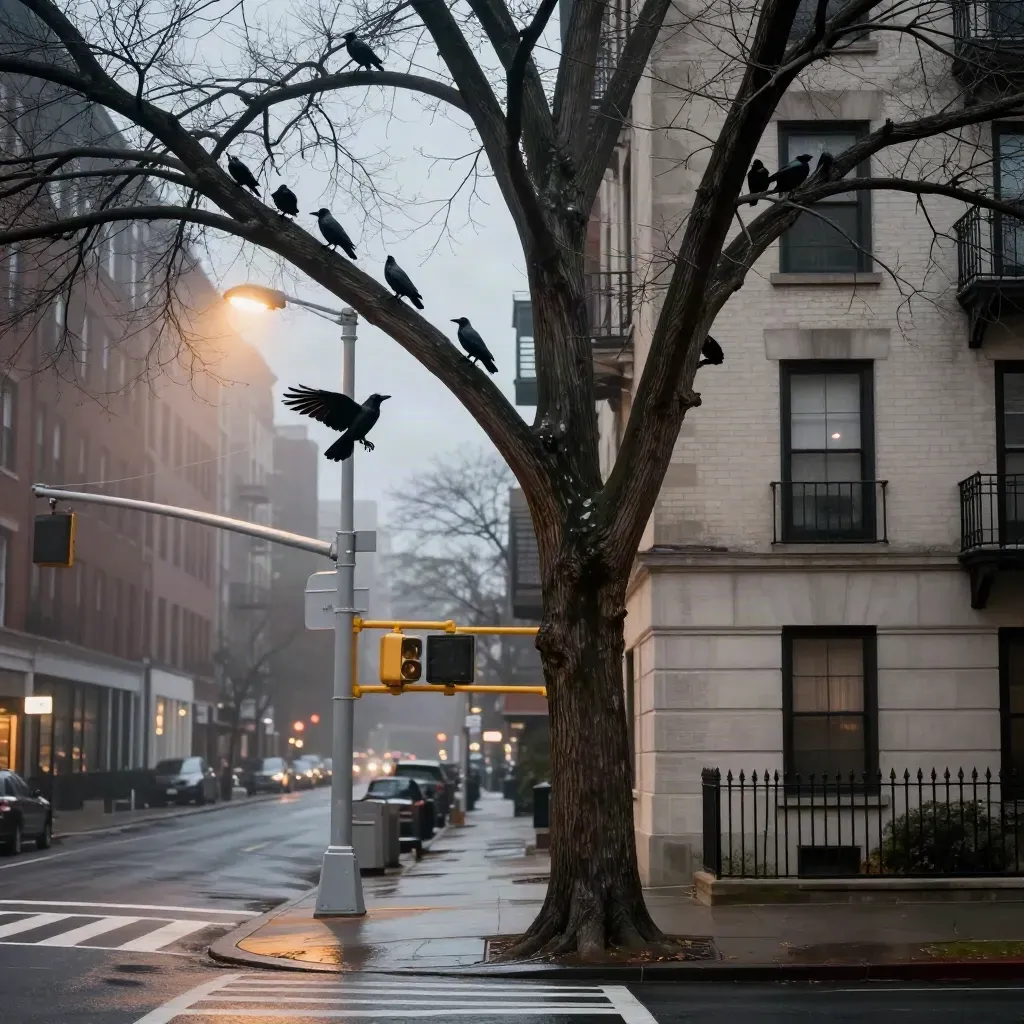
Night tree checks from dusk to first light
Spotlight
Night tree checks from dusk to first light
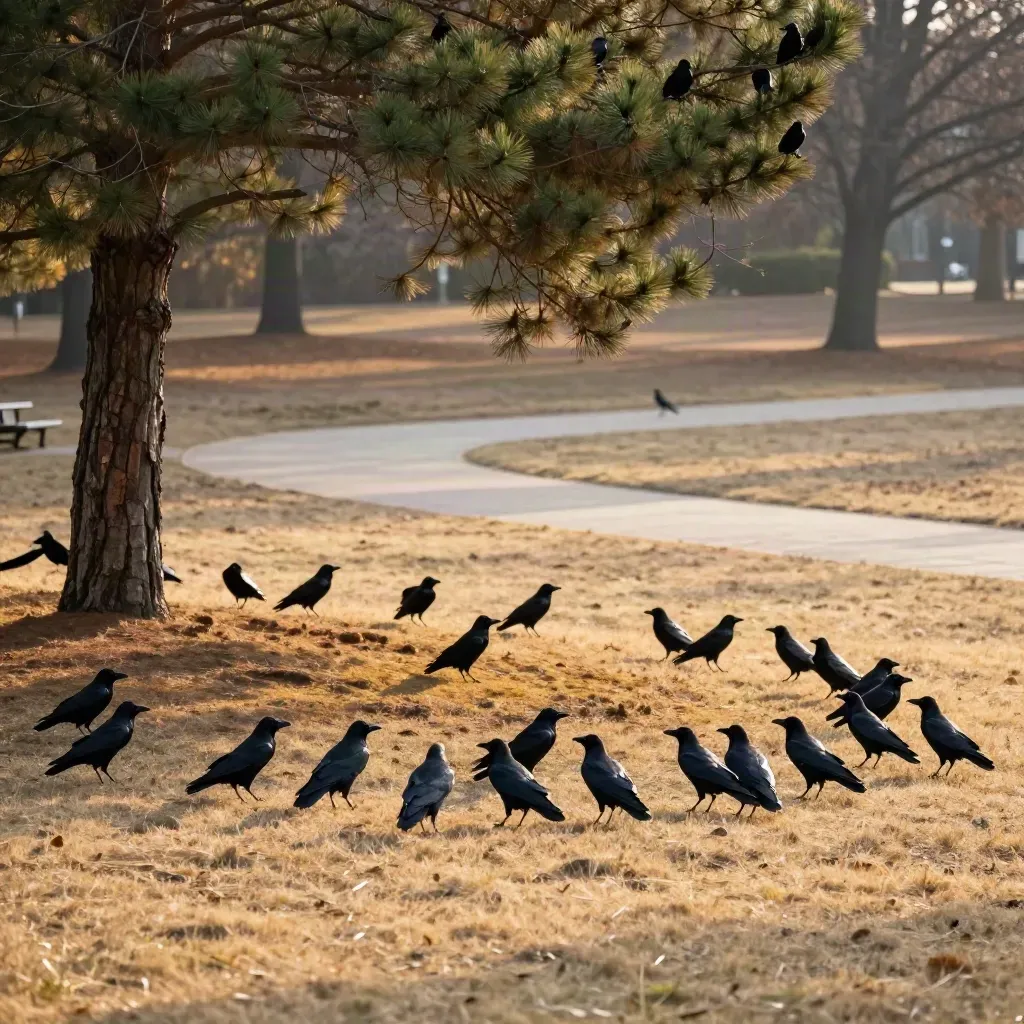
Simple steps for weekly checks
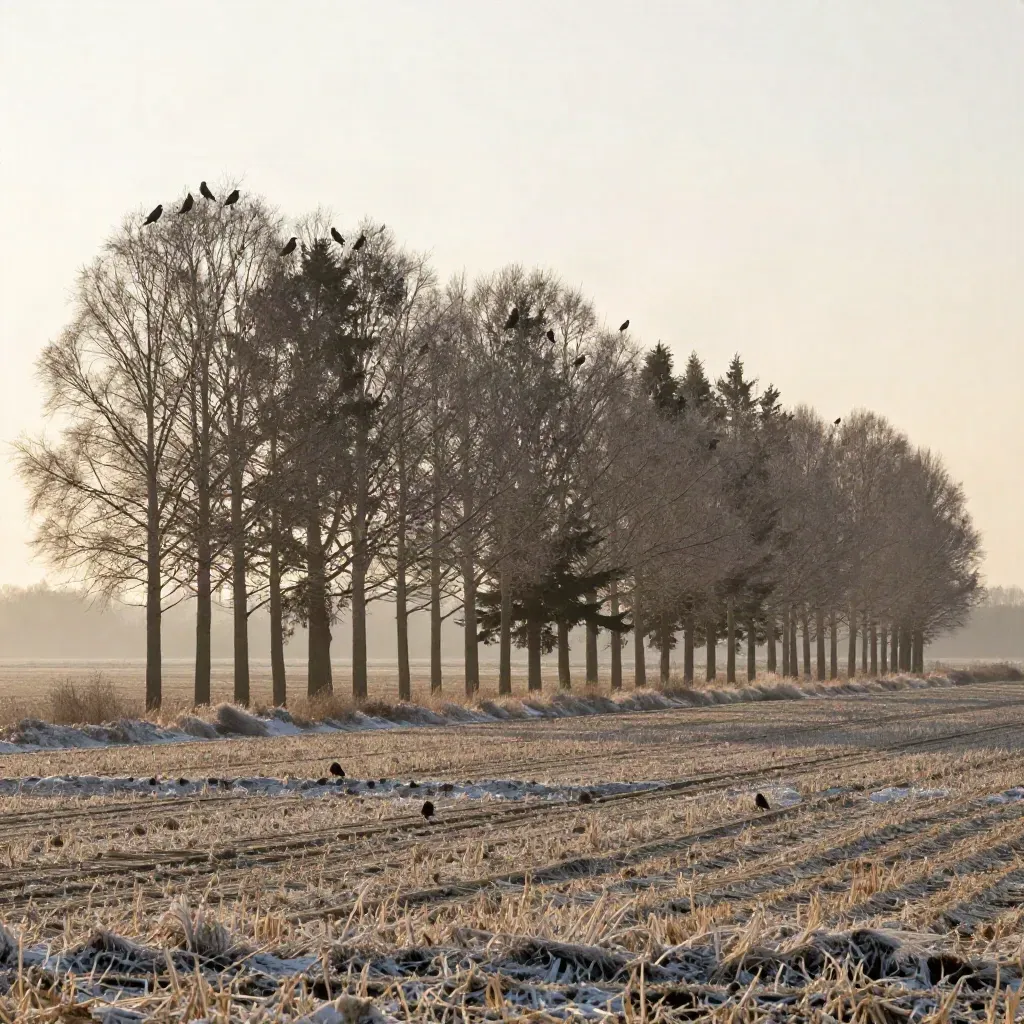
Why shelterbelts draw big roosts
Wide
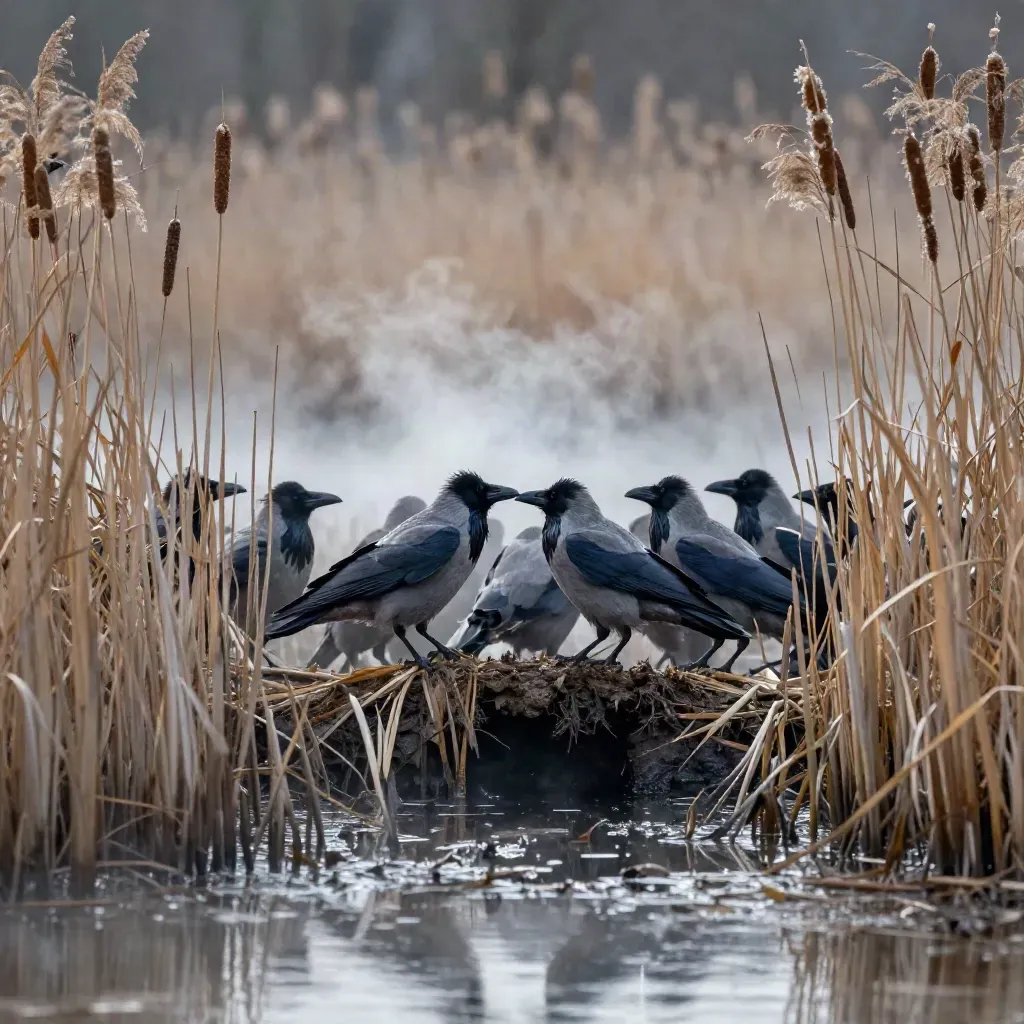
When calls carry farther in cold air
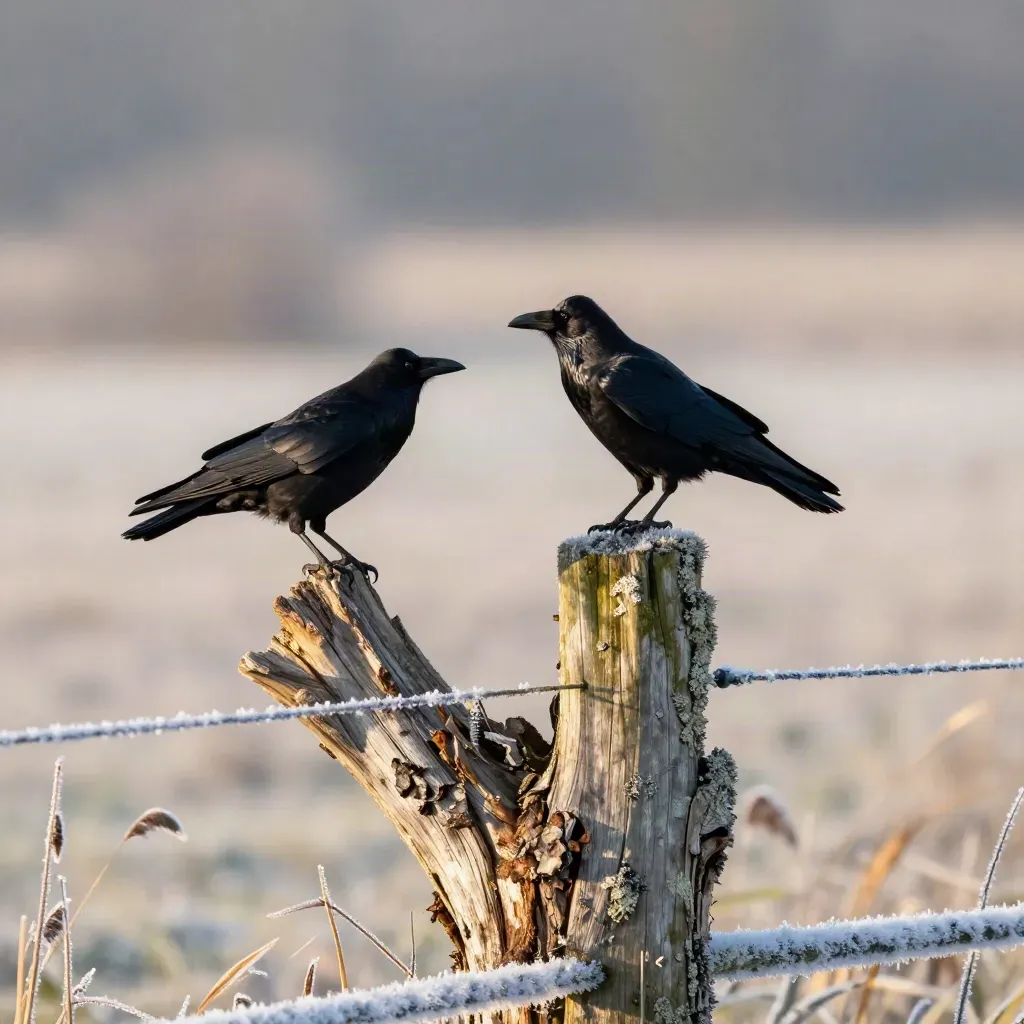
Shape, voice, and flight clues
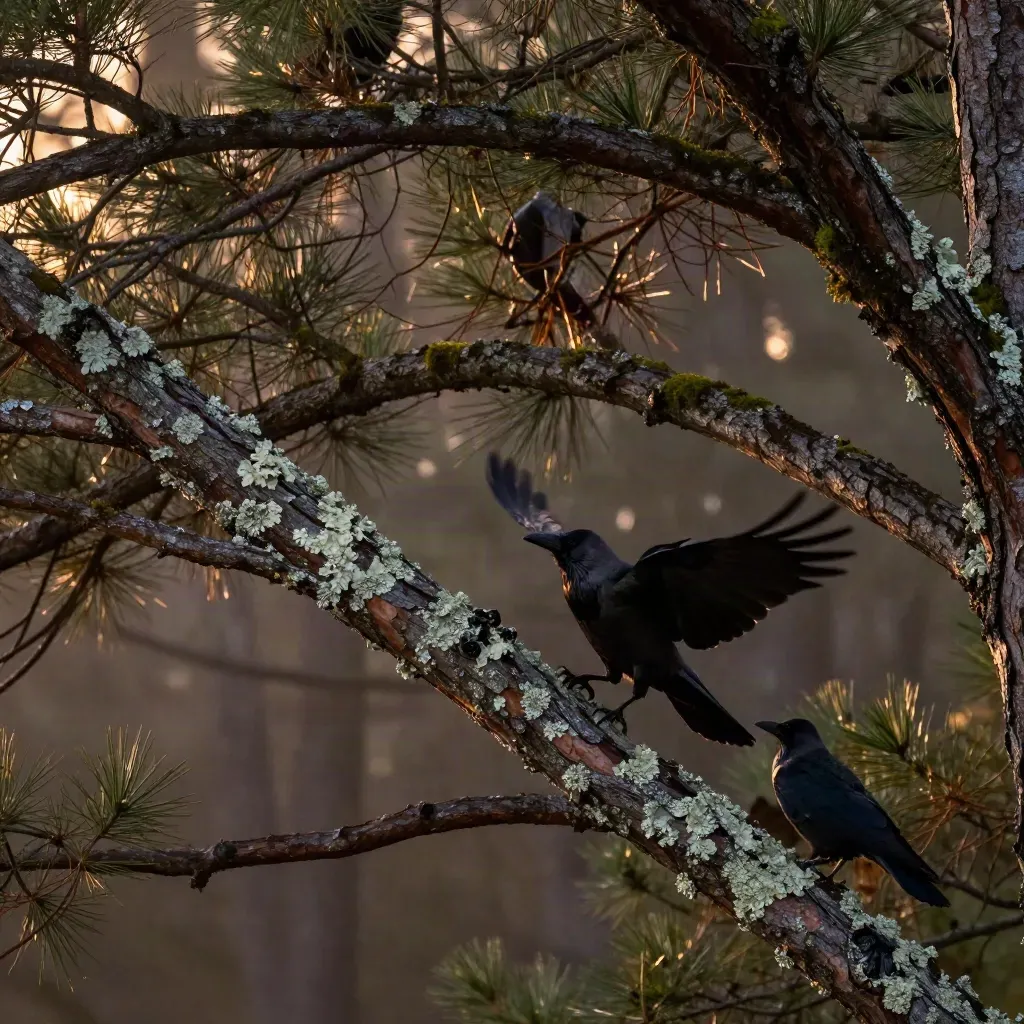
What roost birds want overhead
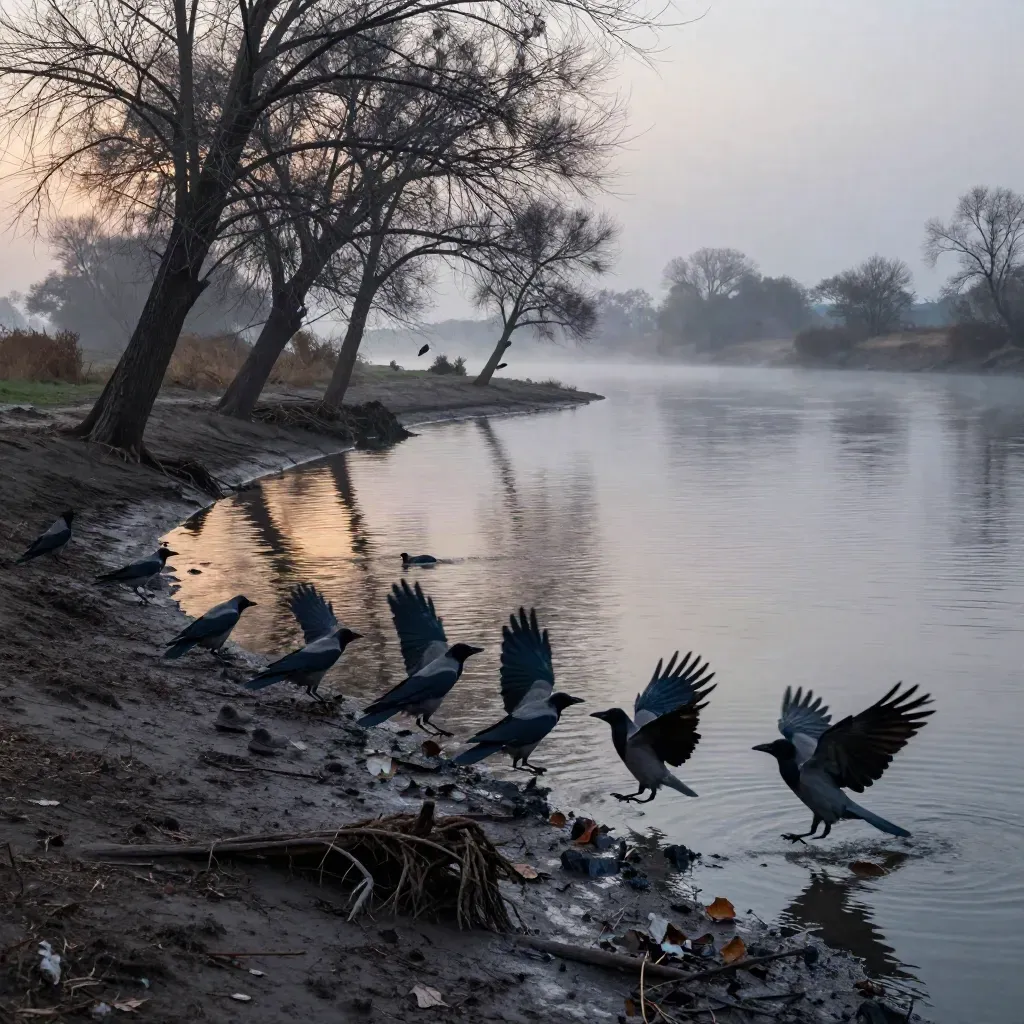
Why creeks and ponds matter
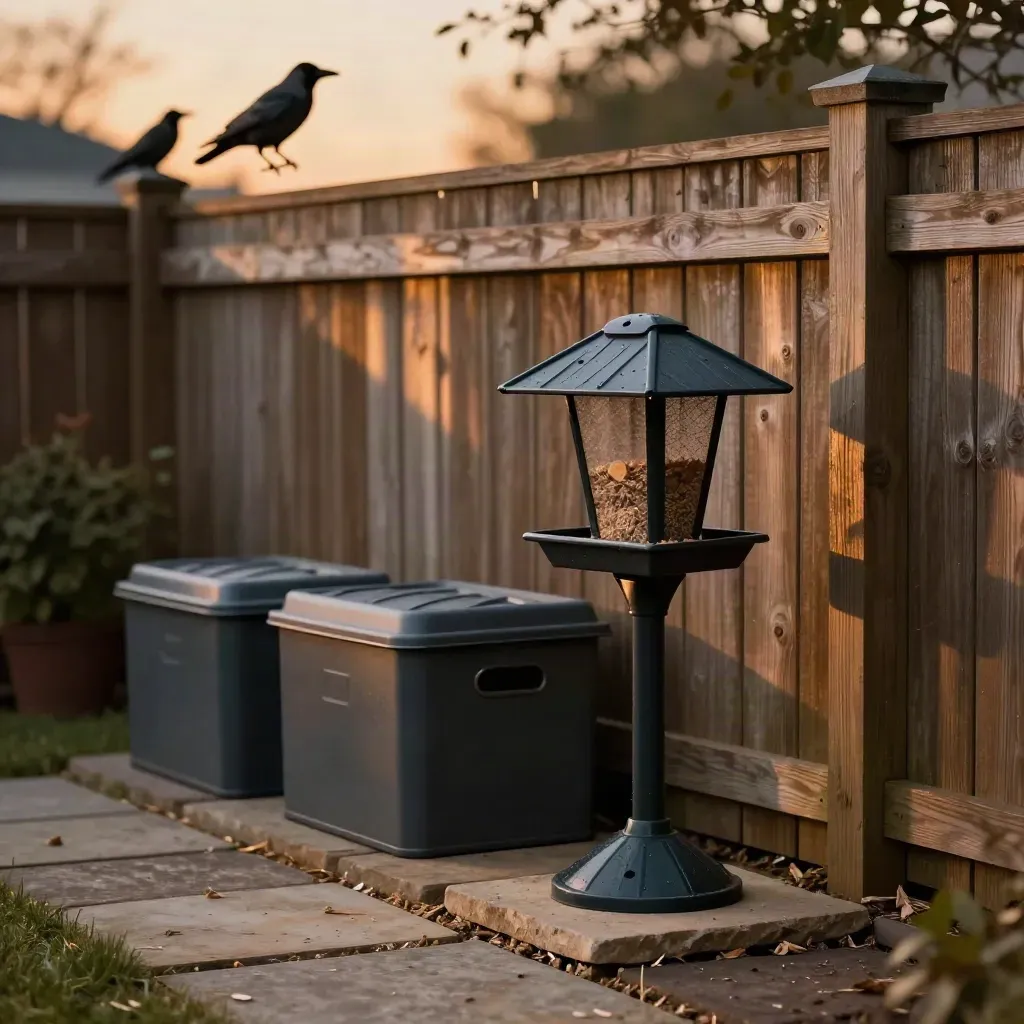
Make a yard less inviting at dusk
Journal

Questions
Quick answers before visitors choose a product, service, or next step.
A crow roost is a place where many crows gather to sleep, often in tall trees near water, parks, or city edges.
They meet at dusk to feed, trade calls, and settle into a safe sleep site before dark.
Look at size, voice, and tail shape. Ravens are larger, deeper voiced, and often show a wedge tail.
Often yes, but weather, food, and tree cover can shift the site from week to week.
Use light, motion, cleanup, and timing. Make the area less calm near dusk, but do not harm birds.
Most nest in spring, with pairs using tall trees, shelterbelts, or quiet city corners.
Get one short email with new roost guides, season alerts, and plain advice for birders, homeowners, and land managers.


